
The past few years have shaken up the hospitality industry,
but from that disruption arises a wave of innovation that is
fundamentally redefining the guest experience. Forget generic hotels; the
future of hospitality is all about personalization, effortless technology,
sustainability, and creating memorable moments worth sharing. Let’s unpack the
top trends shaping where you’ll sleep, relax, and work on your next
getaway—trends that highlight the need for continuous innovation in the
sector.
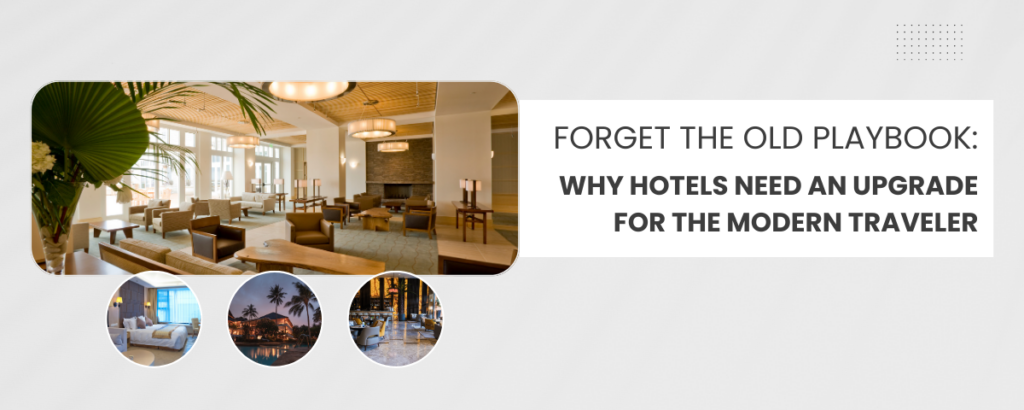
Table of Contents
Trend #1: You’re the Star of the Stay with Hyper-Personalized Service
The days of “one-size-fits-all” hospitality are swiftly becoming a relic of the past. The modern traveler craves a personalized experience that goes beyond basic accommodations. Hotels are increasingly harnessing innovation to make every guest feel like they are the star of their stay, tailoring services and amenities to suit individual needs and preferences. This trend toward hyper-personalization isn’t just a novelty; it’s quickly becoming a foundational component of an exceptional guest experience.
- It Knows What You Like: Leveraging advanced data analytics and AI technology, hotels are creating comprehensive guest profiles built from loyalty programs, booking data, and even insights gleaned from social media. This staggering level of detail allows hotels to anticipate and address guest needs before they even have to ask. Picture this: upon arrival, you’re greeted with a warm welcome and a pre-stocked mini-fridge filled with your favorite snacks and beverages, reflecting your taste preferences from previous visits. The room temperature is set to your liking, the lighting adjusted to suit your mood, and a personalized note awaits you, making you feel valued. This level of hyper-personalization is a prime example of how innovation is transforming the hospitality landscape.
- Curated Adventures: Gone are the days of generic brochures tucked away in hotel lobby racks. With the rise of innovation, hotels are evolving into dynamic digital concierges. Imagine the concierge that knows exactly where you want to dine based on your dietary restrictions and preferences. They can recommend hidden gems—local restaurants boasting the best farm-to-table cuisine or the coziest cafes for that perfect morning cup of coffee. Some hotels are even partnering with local tour operators to provide guests with curated adventure packages, including exclusive access to local events, guided historical tours, or themed experiences that align with your interests. This shifting paradigm emphasizes the role of innovation in creating unique and memorable experiences that resonate personally with each guest.
- Hyper-Responsive Communication: Today’s travelers prefer instant communication, and hotels are stepping up their game by utilizing innovation to enhance responsiveness to guest inquiries. Chatbots and AI-driven customer support systems are available 24/7 to answer questions, facilitate changes to reservations, or provide recommendations—all in real-time. This level of convenience not only ensures that guests feel connected and supported throughout their stay but also streamlines the experience, minimizing the hassle often associated with traditional booking and service methods.
- Feedback Loops for Continuous Improvement: Creating a hyper-personalized experience is an ongoing endeavor, and hotels actively seek guest feedback to refine their offerings. Post-stay surveys, in-app reviews, or even interactive portals allow guests to provide direct feedback on their experiences. This information helps hotels continuously evolve, allowing them to implement changes based on guest preferences and insights. Innovation in this space means hotels are not just reactive but proactive, illustrating a persistent commitment to enhancing guest satisfaction and personalization.
- Experiential Customization: Some hotels are going further by allowing guests to customize their stay even before arrival. This includes selecting room themes, personalized amenities such as aromatherapy options, in-room fitness equipment, or even pillow choices tailored to your preferences. The use of mobile applications facilitates this level of personalization, allowing guests to curate a space that feels uniquely theirs. This bespoke approach positions guests as active participants in their stays, giving them control that enhances their overall experience.
- Celebrating Special Occasions: Whether it’s a birthday, anniversary, or any significant milestone, hotels are leveraging innovation to recognize and celebrate important moments in guests’ lives. This can manifest as personalized greetings, complimentary treats, or special arrangements that create a memorable celebration. By tapping into guest data, hotels can ensure that these celebrations are intimate and tailored specifically to individual guests, making them feel appreciated and special.
Trend #2: Tech Makes Travel Smoother Through Ingenious Solutions
In an age where convenience is king and time is of the essence, the hospitality industry is increasingly embracing innovation to enhance the guest experience. Travel should be enjoyable and stress-free, and hotels are leveraging technology to eliminate friction points in the guest journey. This trend represents a fundamental shift in how hotels operate, moving towards a seamless experience that prioritizes ease and efficiency through ingenious technological solutions.
- Your Phone is Your Key: The introduction of mobile check-in and keyless entry has transformed the way guests access their rooms. Gone are the days of fumbling through bags for keycards or standing in long lines at the front desk. With the power of innovation, guests can now check in via a hotel app and receive a digital key that can be accessed from their smartphones. This not only enhances convenience but also minimizes contact points, creating a safer and smoother experience, especially in light of health considerations that have become more prominent in recent years. Guests can arrive at the hotel, bypass the lobby entirely, and head straight to their rooms, unlocking the door with a simple tap on their phone.
- Rooms That Listen (Literally): The rise of smart technology extends to hotel rooms, where voice-activated devices and smart assistants are becoming commonplace. Guests can control various aspects of their environment—adjusting the temperature, changing lighting, or even ordering room service—using just their voice. This level of innovation brings a new level of convenience, allowing guests to relax after a long journey without needing to interact with switches or remotes. Additionally, for travelers with disabilities or mobility challenges, this technology provides greater autonomy, making their stay more comfortable and accessible.
- No More Checkout Hassle: The hassle of traditional checkout processes is being revolutionized by the incorporation of contactless payment options and digital receipt delivery. Guests can complete their checkout via an app or kiosk, eliminating long lines and giving them more time to enjoy their stay. This efficient process stems from innovation in payment technology, allowing travelers to simply walk out of the hotel without having to return keycards or settle bills face-to-face at the front desk. Digital receipts are delivered instantly via email or app notifications, ensuring that guests have a record of their transactions without the clutter of paper.
- Personalized Recommendations at Your Fingertips: Technology is enabling hotels to offer a curated experience at every turn. Through integrated mobile apps, guests can access personalized recommendations for activities, restaurants, and local attractions based on their preferences and previous behavior. This level of customization is made possible by data analytics and machine learning, which allow hotels to harness guest information and offer tailored suggestions that enhance the overall experience. Imagine receiving a notification suggesting you check out a new café that just opened nearby, complete with directions and a special discount for hotel guests—this is innovation creating rich, memorable experiences.
- Smart Rooms for Elevated Comfort: The implementation of Internet of Things (IoT) technology is allowing hotels to create smart rooms equipped with various automated features. From adjusting the temperature to controlling the window shades, everything can be managed through a centralized system or mobile app. This level of innovation not only enhances comfort but also allows guests to create their ideal atmosphere without fuss. Imagine having the option to pre-program your room’s ambiance before you arrive—a perfect welcome tailored to your preferences.
- Seamless Communication with Staff: The need for streamlined communication between guests and hotel staff is being addressed through technology. Many hotels now implement messaging systems that allow guests to communicate with staff via SMS, mobile apps, or chat platforms. This direct line of communication empowers guests to make requests—whether it’s needing extra towels, inquiring about room service, or asking for local advice—without needing to pick up a phone or visit the front desk. This not only enhances guest satisfaction but also allows hotel staff to respond quickly, ensuring that needs are met promptly.
- Enhanced Safety and Security Features: Technology is also playing a critical role in enhancing the safety and security of hotel guests. Advanced surveillance systems, electronic locks, and mobile key technology contribute to a more secure environment. Guests can feel confident knowing that these systems are designed to keep unauthorized individuals out while ensuring access is granted only to those who belong. The implementation of these safety technologies is a reflection of the hospitality industry’s commitment to providing a secure and comfortable experience through innovation.
- Real-Time Service Response: With the integration of technology, hotels can manage guest requests and monitor service needs in real time. For example, housekeeping staff can receive notifications directly from guests through a mobile app, ensuring quick turnaround times for what might previously have been delays in service. This operational innovation benefits both guests and hotel staff, allowing for more efficient service delivery and a smoother overall experience.
Trend #3: Being Eco-Conscious is the New Luxury
In today’s world, the ethos of sustainability is no longer a mere trend; it has evolved into a core value that influences the choices and preferences of travelers worldwide. As awareness regarding environmental issues rises, eco-consciousness has emerged as a hallmark of luxury in the hospitality industry. Hotels that prioritize sustainability are not only appealing to a growing demographic of environmentally aware travelers but are also redefining what it means to offer luxury. This trend encompasses a wide range of practices and initiatives powered by innovation, making eco-friendly choices accessible and desirable.
- Energy Smarts: Harnessing Renewable Resources: A key component of eco-conscious luxury is the strategic implementation of renewable energy sources. Many hotels are investing in solar panels and wind energy, reducing their dependency on non-renewable resources. This shift not only lowers operational costs but also sends a strong message about the hotel’s commitment to sustainability. Guests are increasingly attracted to properties that demonstrate this innovation, recognizing that their choice of accommodation can contribute to a greener planet. For example, a hotel powered entirely by solar energy provides guests with the peace of mind that their stay is helping to reduce carbon emissions.
- Smart Lighting and Energy Efficiency: Many hotels are upgrading their facilities with smart lighting systems that automatically adjust based on occupancy and natural light levels. This innovation not only enhances energy efficiency but also creates a unique ambiance tailored to guest comfort. Additionally, implementing energy-efficient appliances and systems throughout the hotel—such as water-saving fixtures and proper insulation—further emphasizes the commitment to sustainability. Guests will notice these thoughtful touches, reinforcing the notion that luxury can coexist with responsible practices.
- Reduction of Single-Use Plastics: In response to growing awareness of the negative impacts of plastic waste, many hotels have begun eliminating single-use plastics from their operations. This includes replacing plastic bottles with refillable glass bottles, offering bulk personal care products in dispensers instead of individual toiletries, and providing guests with reusable bags during their stay. Such measures highlight innovation in sustainable practices and resonate with guests who prioritize eco-friendliness. High-end properties that take a stand against plastic pollution create a distinct identity rooted in conscientious living, thus appealing to eco-luxury travelers.
- Farm-to-Fork Dining: A Commitment to Local and Sustainable Sourcing: The trend of farm-to-fork dining embodies the idea of sustainability by emphasizing locally sourced, seasonal ingredients. Hotels are increasingly partnering with local farms, markets, and producers to offer fresh, organic meals in their on-site restaurants. This not only reduces the carbon footprint associated with food transportation but also supports local economies. Furthermore, these culinary choices are often accompanied by menus that detail the origin of each ingredient, allowing guests to connect with the local environment through their dining experiences. This commitment to sustainable gastronomy showcases a deep appreciation for nature and nurtures a sense of community—elements that define modern luxury through innovation.
- Eco-Friendly Amenities and Products: Guests are now finding more hotels that offer amenities such as ethically sourced toiletries, biodegradable packaging, and organic bedding. Many top-tier hotels are collaborating with brands that align with their sustainability mission, ensuring that every aspect of the guest experience embodies their eco-friendly ethos. The availability of these innovative products not only enhances the luxurious feel of the stay but also assures guests that they are making environmentally conscious choices.
- Green Certifications and Transparency: As more hotels pursue green certifications, such as LEED (Leadership in Energy and Environmental Design) or Green Key, they demonstrate a commitment to rigorous sustainability standards. Hotels that achieve these certifications communicate their dedication to responsible practices to guests, providing transparency regarding their environmental impact. This accountability resonates particularly well with eco-conscious travelers who value authenticity and require assurance that their choices support their values.
- Eco-Conscious Design and Construction: New hotel builds are increasingly focusing on eco-friendly design principles, with an emphasis on sustainability from the ground up. This includes using reclaimed materials, incorporating energy-efficient insulation, and designing layouts that maximize natural light. Innovation in architecture and construction not only minimizes the ecological footprint of the property but also creates inviting, aesthetically pleasing spaces for guests. Luxurious environments that celebrate nature can enhance the guest experience, giving them a sense of connection to the surroundings.
- Community Engagement and Local Initiatives: Many luxury hotels are integrating community engagement into their sustainability practices by supporting local initiatives and organizations. This includes partnerships with conservation projects, leading beach clean-ups, or sponsoring local cultural events. Guests are increasingly drawn to hotels that foster a spirit of stewardship toward the environment and community. For them, staying at an eco-conscious hotel presents an opportunity to contribute to positive change while enjoying their getaway. This philosophy elevates the luxury experience, showing that sustainable travel can be deeply rewarding on multiple levels.
- Wellness and Sustainability: The holistic approach of wellness encompasses both the well-being of guests and the health of the planet. Hotels are merging wellness programs with eco-friendly practices, offering activities like yoga retreats in natural settings, organic culinary workshops, and spa treatments that utilize sustainable products. This integration of wellness with sustainability highlights the understanding that true luxury involves caring for oneself and the environment—creating an experience that rejuvenates both body and soul through innovation.
Trend #4: Where Your Laptop Travels Too – The Bleisure Boom
Remote work isn’t just a passing trend—it’s here to stay. Hotels are tapping into this demographic through innovations tailored for “bleisure” travelers who combine business with leisure:
- Work-Friendly Perks: Fast Wi-Fi is now a minimum expectation. Look for hotels that offer co-working lounges, private areas for taking calls, or packages specifically catering to the needs of bleisure travelers, all grounded in cutting-edge innovation.
- Wellness Matters: After a long day of work, amenities like hotel gyms, yoga classes, or in-room workout programs become increasingly appealing, showcasing how innovation can enhance wellness during your stay.
- Location as Amenity: Hotels located near both business hubs and thriving neighborhoods that echo local charm offer a balanced blend of convenience and cultural richness, thanks to thoughtful innovation in their planning.
Trend #5: It’s Not Just a Stay; It’s an Experience
Thanks to social media, travel is now about creating and sharing unforgettable memories. Hotels are capturing this sentiment through innovative strategies:
- Themed Stays: Unique accommodations—from movie-themed rooms to quirky historical properties—are a perfect example of innovation in hotel design, allowing guests to choose experiences that resonate with their interests.
- Uncommon Adventures: Moving away from standard tours, hotels are now curating immersive experiences, such as local craft workshops or exclusive outdoor excursions—demonstrating how innovation can transform typical offerings into something extraordinary.
- Picture Perfect: Aiming for Instagrammable lobbies and rooms designed to serve as prime photo-op corners showcases how holistic innovation propels hotels into the social media spotlight.
The Future of Hospitality is Bright
The hotels that thrive in the coming years won’t be those clinging to outdated models; they’ll be the ones consistently leveraging innovation to streamline the mundane aspects of a stay, anticipating your every want, offering low-impact ways to explore, and prioritizing experiences that guests can’t wait to share. For travelers, that’s something to look forward to—and a dynamic era of innovation to embrace.
Forget the Old Playbook: Why Hotels Need an Upgrade for the Modern Traveler
The hotel industry stands at a critical juncture. The outdated model of sterile rooms and standard amenities simply won’t satisfy a new generation of travelers accustomed to innovation. When we consider changing demographics, a growing focus on sustainability, and the constant hum of new technological developments, it’s clear: the hotel of the future will not resemble the hotel of the past.
The New Guest Calls the Shots
Travelers today wield unprecedented power, influencing their choices and decisions through a desire for innovation:
- Personalization Craze: Mass-market experiences are obsolete. Today’s travelers expect hotels to leverage data and technology to customize every aspect of their stay—from pre-stocked favorite snacks to room temperatures just right, all made possible through innovation.
- Tech or Bust: Contactless check-in, mobile room keys, and voice-activated in-room controls are shifting from novelties to vital necessities, emphasizing the significant role innovation plays in ensuring an enjoyable stay.
- Sustainability Sells: Modern guests evaluate far more than just flimsy “reuse your towel” signals. Eco-conscious travelers scrutinize a hotel’s energy systems, responsible sourcing, and community partnerships, seeking innovation that reflects environmental integrity.
- Experience is Everything: Unique design, immersive activities, and a sense of “this only happens here” are just as important as high thread counts, fueling the demand for boutique and concept hotels driven by innovation.
- Wellness is the New Luxury: Travelers desire more than just adequate fitness facilities; they expect holistic wellness options encompassing healthy food, dedicated spaces for mental well-being, and air quality that prioritizes guest health—all facilitated by innovation.
Shifting Demographics = Shifting Demands
It’s not solely about evolving tastes; the very makeup of travelers is changing, and hotels must respond with targeted innovation:
- Gen Z & Millennial Might: These generations prioritize experiences over status. They seek hotels that value sustainability, promote unique design, and allow for authentic connections—with innovation guiding their choices.
- Gray is the New Gold: As populations in developed markets age, hotels that overlook accessibility or the needs of senior travelers risk missing out on a significant segment of the market. Multigenerational travel further shapes bookings, pushing for innovation in accommodating diverse ages and abilities.
- Travel’s Global Boom: Rapidly expanding middle classes in countries like China and India are driving new international travelers. These guests seek affordability combined with unforgettable experiences and cultural sensitivity, leading to significant opportunities for innovation.
- Solos on the Rise: Solo travelers, particularly women, are becoming a formidable force in the industry. Hotels must ensure safety and create opportunities for meaningful connections among guests—approaches that necessitate thoughtful innovation.
The Hotel Industry’s Must-Do List for Continuous Innovation
Hoteliers, heed this advice: these shifts are not mere fads; they are deal-breakers for contemporary guests. Adapt swiftly or risk obsolescence:
- Know Your Niche: Trying to cater to everyone is a recipe for mediocrity. Focus on specific demographics or traveler mindsets—whether wellness seekers, digital nomads, or adventure aficionados—and tailor offerings around their desires with the power of innovation.
- Boutique is Big: Unique design and a strong brand story, combined with experiences beyond mere accommodation, will dominate the future landscape through innovative thinking.
- Human Touch + Tech: Seamless digital interactions are invaluable, but genuine hospitality is irreplaceable. Staff armed with technology that enables them to personalize service can create devoted fans and reinforce the experience through innovation.
- Redefine “Hotel”: Transform lobbies into thriving co-working and social hubs, ensure restaurants cater to both locals and guests. Curated activities can foster community—hotels must become destinations in their own right, challenging traditional definitions through innovation.
Challenges Become Opportunities through Innovative Solutions
This transformation isn’t without obstacles, including labor shortages, the disruptive force of short-term rentals, and unpredictable economic shifts that loom over the industry. However, hotels that perceive these changes as opportunities rather than hardships will thrive.
By embracing personal experiences, prioritizing memorable interactions, targeting the right guests with precision, and boldly venturing into innovation that aligns with the evolving desires of travelers, the industry has the potential to redefine itself. The antiquated hotel playbook is obsolete; it’s high time for the hospitality industry to rewrite the rules and step boldly into a future defined by innovation.