
Acquiring a hotel is a significant investment that involves
much more than merely reviewing financial statements and profit margins. A
meticulous physical property inspection is essential to fully understand the
true value of the investment and identify potential risks associated with it.
While a hotel might seem profitable on paper, hidden structural issues,
deferred maintenance, or non-compliance with codes can quickly turn a promising
deal into a costly nightmare. This comprehensive guide aims to explore the key
areas of focus during a hotel inspection, highlight potential red flags to
watch for, and emphasize the importance of leveraging professional expertise to
safeguard your investment.
Table of Contents
Why a Property Inspection Matters
Conducting a thorough property inspection is a fundamental step in the hotel acquisition process and is vital to ensuring that your investment is sound. While financial statements can provide insight into profitability, they often do not convey the full picture regarding the physical condition of the property. Here’s a more detailed examination of why a comprehensive hotel property inspection is essential:

1. Identifying Hidden Issues
One of the primary reasons for a property inspection is to unveil hidden problems that could severely impact your investment.
- Structural Integrity: Many structural issues, such as foundation settling or water damage, may not be apparent without a close examination. For example, wall cracks or uneven floors can indicate serious structural problems lurking behind the walls or under the flooring. A physical inspection facilitates the identification of these concerns before making any purchase commitments.
- Deferred Maintenance: Over time, routine maintenance may be neglected. An exhaustive property inspection reveals aspects that may have fallen into disrepair, such as worn-out roofing, outdated plumbing, or electrical safety hazards. Addressing these issues early helps prevent minor problems from evolving into larger, more expensive repairs down the line.
- Compliance Risks: Local building codes and safety regulations can significantly affect operational legality. A property inspection ensures all aspects of the hotel comply with regulatory guidelines, mitigating the risk of potential fines or legal issues arising from code violations that previously went unnoticed.
2. Risk Mitigation
Investing in a hotel involves considerable financial commitment. Thus, minimizing potential risks is crucial for your investment’s long-term success.
- Financial Exposure: Identifying issues through a property inspection can help you understand the total financial exposure of acquiring the property. This understanding allows you to factor necessary repairs and upgrades into your budget, enabling more accurate cost projections and preventing unpleasant surprises down the road.
- Operational Risks: The operation of a hotel demands compliance with various health and safety standards. A thorough inspection assesses these critical areas, identifying anything from outdated fire safety systems to inadequate sanitation practices. Addressing these findings not only mitigates risks but protects your investment from disruption due to closed operations or legal action.
3. Accurate Valuation
A well-conducted property inspection dramatically impacts the property’s valuation process.
- Informed Appraisals: Understanding the physical condition and immediate repair needs of a property lends itself to accurate appraisals. An inspector’s assessment plays a crucial role in determining whether the list price accurately reflects the property’s true condition. If significant repairs are needed, negotiating a lower purchase price becomes feasible.
- Investment Performance Metrics: Accurate assessments facilitate realistic projections of occupancy rates and revenue potential. For instance, if a hotel has significant deferred maintenance, occupancy rates may drop, impacting overall revenue. These insights help you devise a sustainable financial model.
4. Long-Term Planning
A property inspection serves as a valuable tool for determining future capital needs and strategic planning.
- Budgeting for Repairs and Upgrades: The data collected from the inspection aids in setting clear budgets for immediate repairs and long-term capital expenditures, such as replacing an aging HVAC system or addressing structural concerns. Having a financial plan that accounts for both immediate needs and projected maintenance schedules allows you to maintain the property’s value.
- Strategic Enhancements: Insights from your inspection can guide you in identifying potential amenities or upgrades that would enhance guest satisfaction and, by extension, profitability. For example, if the inspection suggests that a significant segment of your target audience values water features, investing in a pool or spa may be prudent.
5. Boosting Guest Satisfaction
A well-maintained property directly influences guest experience and satisfaction.
- Safety Considerations: A hotel that undergoes proper property inspections is less likely to have safety hazards. For example, a hotel with an outdated water heater can lead to inadequate hot water supply, impacting guests’ comfort. Ensuring elements such as fire alarms, emergency exits, and plumbing systems are safe and functional enhances overall guest experiences.
- Enhanced Facilities: Positive guest experiences stem from an environment that meets or exceeds expectations. A property inspection identifies areas needing attention, allowing you to create a well-maintained, clean environment that guests will appreciate, resulting in glowing reviews and return visits.
- Boosting Reputation: The hospitality industry thrives on reputation. A hotel known for cleanliness, comfort, and safety attracts repeated business and a loyal customer base. Inspections ensure that your property meets these standards, which, in turn, fosters a positive online presence.
6. Facilitating Insurance Requirements
A proactive approach to property inspections can also aid in insurance considerations.
- Lower Insurance Premiums: Insurers often require inspections to assess risks before underwriting coverage. Demonstrating that your hotel maintains an up-to-date property inspection may simplify the coverage process and potentially lower your insurance premiums.
- Claims Support: Should an incident occur that requires you to file an insurance claim, having regular property inspections on file can help establish the maintenance history, showcasing due diligence and potentially supporting your claim.
Conclusion
In conclusion, a property inspection stands as an invaluable element in the acquisition process of a hotel. It is a safeguard against unforeseen liabilities and an essential step in establishing the true condition of the property. From identifying hidden issues and mitigating risks to ensuring accurate valuations and boosting both guest satisfaction and insurance compliance, the importance of conducting a thorough hotel property inspection cannot be overstated. By investing time and resources into this critical examination, hotel investors position themselves to make informed decisions that lead to sustainable success and profitability in the highly competitive hospitality industry.
Key Areas of Focus: A Comprehensive Walkthrough
A successful property inspection should encompass all aspects of the hotel property, from the exterior framework to intricate interior systems. By conducting a complete assessment, you can maximize your understanding and identify potential risks.

Exterior Inspection
1. Building Envelope:
- The building envelope is a critical feature that affects energy efficiency and structural integrity. A thorough inspection of this area includes checking for any gaps, cracks, or damage that might compromise the hotel’s infrastructure.
2. Roof Condition:
- Inspect for missing or damaged shingles, signs of leaks, or ponding water, as well as wear and tear. The roof is an essential part of the building’s defense against the elements.
3. Siding/Exterior Walls:
- Look for cracks, peeling paint, or signs of moisture damage on the siding or walls. Such issues could indicate deeper, hidden problems.
4. Windows and Doors:
- Check for proper sealing, cracks in frames, and functionality of locks and hinges. Ensuring that windows and doors are well-maintained helps with energy efficiency and security.
5. Landscaping and Hardscaping:
- The exterior ambience sets the tone for guest experiences. Assess the health of plants and turf, and evaluate the condition of walkways and parking areas to ensure they are well-maintained, free of tripping hazards, and well-lit for safety.
6. Signage:
- Review the condition, design, and visibility of all exterior signs. These elements can impact first impressions and overall guest accessibility.
7. Recreational Amenities:
- If available, recreational amenities like pools and spas must be in top condition. Inspect for proper chemical balance, cleanliness, safety equipment, and compliance with local health codes.
Interior Inspection
Lobby and Common Areas:
- Flooring: Inspect for wear and tear, stains, or damage in flooring.
- Walls and Ceilings: Look for cracks, peeling paint, water stains, or indications of mold.
- Furniture: Assess the condition and cleanliness of furniture in the lobby, lounges, and common areas.
- Lighting: Ensure all lights function correctly and are well-maintained.
- Decorative Elements: Check artwork, plants, and other decorations for damage or neglect.
Hallways and Corridors:
- Conduct checks for flooring, lighting, and overall maintenance to ensure guest safety and overall aesthetic appeal.
Guest Rooms:
- A representative sample of guest rooms should be inspected for:
- Furniture, Fixtures, and Equipment (FF&E): Evaluate the condition, age, and functionality of items like beds and appliances.
- Bathrooms: Check for leaks, water pressure, and overall cleanliness.
- Closets: Assess for cleanliness and functionality.
- Overall Cleanliness: Evaluate the overall condition of the room, including carpets, curtains, and linens.

Mechanical Systems
1. HVAC Systems:
- Check for proper operation, cleanliness of filters and coils, maintenance records, and estimate remaining lifespan.
2. Electrical Systems:
- Inspect for exposed wires, frayed insulation, proper labeling of panels, and functionality of lighting fixtures.
3. Plumbing Systems:
- Look for visible leaks, adequate water pressure, and drainage issues to ensure that plumbing systems operate efficiently.
Fire and Life Safety Systems
- Sprinkler System: Ensure it’s properly maintained and tested according to local codes.
- Fire Alarms and Smoke Detectors: Test for functionality and ensure proper installation.
- Emergency Lighting and Exit Signage: Verify that everything is illuminated, visible, and meeting code requirements.
- Evacuation Plans: Confirm that these plans are comprehensive and up to date.
- Compliance with Fire Codes: Confirm that all safety systems are in compliance with local fire codes and regulations.
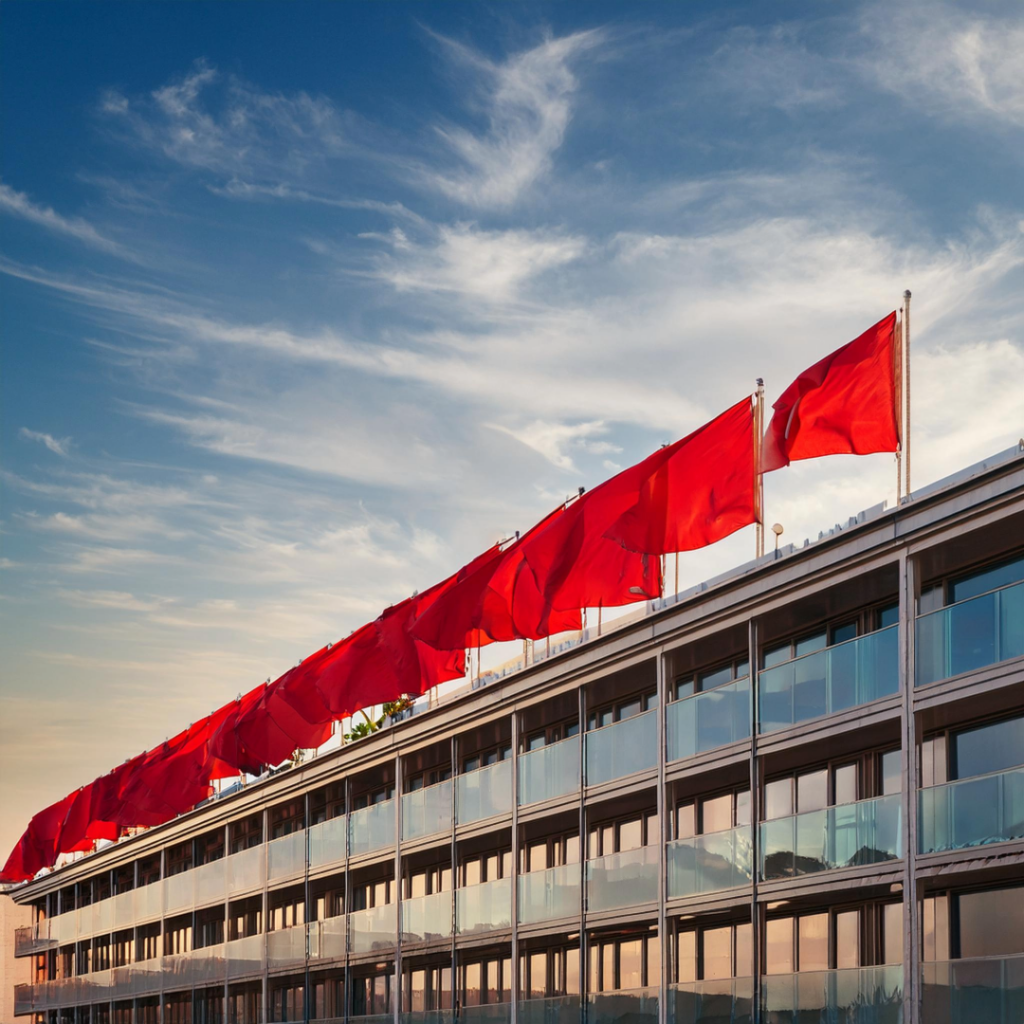
Red Flags to Look For: Warning Signs of Potential Problems
While initial observations might present the hotel favorably, a deeper inspection can uncover hidden issues that could devolve into significant financial burdens. Here’s an expanded look at red flags to be cautious of:
1. Structural Issues:
- Foundation Cracks: Look for vertical or horizontal cracks; both can indicate serious foundational problems.
- Wall and Ceiling Cracks: Large or repeated cracks suggest water damage or structural movement.
- Water Intrusions/Leaks: Signs of dampness or mold in the basement, crawl spaces, and around windows can point to unresolved issues.
- Sagging or Uneven Floors: This may indicate structural problems or water damage.
- Outdated Building Components: Aged roofs, electrical systems, or plumbing can pose safety hazards.
2. Deferred Maintenance:
- Exterior: Get wary of peeling paint, rotting wood, or damaged siding.
- Lobby and Common Areas: Stains and worn carpets or furniture indicate neglect.
- Guest Rooms: Look for overall cleanliness and maintenance of bed linens, towels, and furniture.
- Mechanical Systems: Inspect for signs of inefficiency, such as rust or leaks.
3. Code Violations:
- Fire Safety: Check for missing smoke detectors, inadequate emergency signage, and blocked exits.
- Building Codes: Inspection for unapproved modifications or safety issues.
- Health and Safety: Examine sanitary conditions, presence of pests, and general hygiene in common areas and kitchens.
- Accessibility: Review ADA compliance for ramps, signage, and accessibility features.
Why These Red Flags Matter
Recognizing these red flags during a property inspection is crucial for several reasons:
- Costly Repairs: Ignoring structural issues, deferred maintenance, and code violations can lead to significant financial burdens down the line.
- Operational Delays: Major repairs may necessitate closing the hotel temporarily or can halt ongoing operations.
- Legal Issues: Failing to address code violations can lead to fines, lawsuits, or even closure of the hotel, which disrupts service and revenue.
- Guest Dissatisfaction: A property that appears poorly maintained signifies safety hazards and can lead to negative reviews, harming the hotel’s reputation and long-term viability.
By diligently examining these aspects and remaining vigilant for potential issues, you can protect your investment, sidestep unexpected costs, and ensure a secure and pleasant experience for your guests.
Assessing Capital Expenditure Needs
Conducting a thorough property inspection not only helps identify existing problems but also assists in planning for future capital expenditures. This is essential for budgeting repairs, upgrades, and investments to keep your hotel attractive and operationally effective. Here are some considerations:
Immediate Repairs:
- Safety Hazards: Prioritize repairs that pose immediate safety risks to guests and staff. This includes faulty wiring, leaks, or broken handrails.
- Operational Issues: Address problems that could disrupt daily activities, like a broken boiler or malfunctioning elevator.
- Guest Experience: Take immediate steps to enhance the guest experience by addressing issues such as damaged carpets or leaky faucets.
Near-Term Upgrades:
- Guest Rooms: Refresh rooms with new paint, carpets, and modern amenities to boost appeal.
- Public Spaces: Consider upgrades in lobbies and dining areas to improve ambiance and encourage guest satisfaction.
- Amenities: Investing in fitness centers, spas, or business facilities can broaden your market appeal and attract varied guests.
- Technology: Upgrading technological systems for booking, check-in/check-out, and guest service enhances operational efficiency and guest satisfaction.
Long-Term Capital Investments:
- Mechanical Systems: Prepare for replacing aging HVAC systems and electrical panels as they reach the end of their useful lives.
- Roof Upgrades: Roofs have a finite lifespan that you must account for in your investment planning.
- Facade Repairs: Plan for ongoing maintenance of the external building structure to maintain aesthetic appeal and safety.
- ADA Compliance: Regularly assess accessibility features to ensure compliance with regulations and to cater comprehensively to all guests.
Financial Planning
Proper financial planning based on inspection findings is key to maximizing your investment’s potential:
- Budgeting: Develop an accurate estimate of repair and upgrade costs to facilitate a clear financial overview.
- Prioritization: Determine which repairs or updates need immediate action based on their impact on guest safety and satisfaction.
- Financing: Explore financing avenues, including loans or grants, to fund necessary capital investments, ensuring that you don’t compromise liquidity.
- Return on Investment (ROI): Evaluate the potential ROI of proposed upgrades to ensure alignment with long-term financial goals.
By proactively assessing and addressing capital expenditure needs from the outset, you increase the odds of maintaining a profitable operation. A well-maintained hotel is more likely to attract guests and generate revenue.
Utilizing Professional Expertise
When navigating a hotel property inspection, enlisting professional expertise is an intelligent approach. Consider the following:
- Hotel Inspectors: Hiring an independent and qualified hotel inspector is a prudent step. Unlike general building inspectors, hotel specialists possess specific knowledge about hospitality properties and can pinpoint issues that might otherwise go unnoticed. Their expertise ensures you receive a comprehensive and informed evaluation.
- Engineers and Consultants: For specialized concerns related to structural, mechanical, or environmental assessments, consulting with engineers and consultants is advisable. Their expert opinions can provide clarity on costs and risks associated with identified issues.
Conclusion
A meticulous physical property inspection is essential in the hotel acquisition process. It serves as more than just a routine assessment; it is a foundational component of your investment strategy. The insights gleaned from this comprehensive evaluation help mitigate unexpected costs, accurately assess the hotel’s value, and inform repair or upgrade planning. By identifying any potential issues upfront, you position yourself to negotiate a fair price, implement effective solutions, and ultimately pave the way for your hotel’s sustainable success. Prioritizing a thorough property inspection not only protects your investment but also ensures a safe and enjoyable experience for your guests, which is the cornerstone of a thriving hospitality business.