
The hospitality industry stands at a pivotal
intersection, with the rapid advance of technology significantly reshaping how
we book accommodations and experience our stays. As we navigate this
challenging landscape, hotels cannot afford to resist the tide of technological
change. Instead, embracing this digital era strategically is essential for
staying competitive, enhancing guest experiences, and achieving success in a
marketplace that is evolving at breakneck speed.

Table of Contents
The Transformative Tech at Your Doorstep
In the dynamic landscape of the digital era, several transformative technological forces are redefining the hotel industry, promising not just convenience but also enhanced guest experiences and operational efficiencies. Let’s explore these innovations in more detail and understand how they are shaping the future of hospitality:
AI: Your Digital Concierge:
Artificial Intelligence has become synonymous with personalization in the digital era. Beyond simple queries, sophisticated AI systems analyze extensive data sets to tailor every facet of the guest experience. Hotels can curate bespoke recommendations for dining, activities, and services based on past behaviors and preferences. For example, AI can learn a guest’s preferred room temperature, scent, and even pillow type, adjusting these settings before their arrival. Furthermore, machine learning models can predict peak periods for hotel services and adjust staffing accordingly to minimize wait times, enhancing overall satisfaction.
Mobile Mania:
The mobile revolution has ushered in an era where smartphones serve as the primary conduit for hotel interactions. Beyond traditional check-in and room keys, hotels are now leveraging mobile technology to foster deeper connections with guests. Integration of loyalty programs and special offers directly within mobile apps allows hotels to engage with their guests more effectively, promoting repeat stays. Features like mobile concierge services provide guests with instant access to their reservations, nearby attractions, and real-time updates, all at their fingertips. In this digital era, the convenience offered through mobile technology has become a significant differentiator in guest preferences.
Smart Rooms Become Smarter:
The Internet of Things (IoT) is revolutionizing the way guests interact with their environments. In a smart room, everything from lighting to temperature control can be customized through voice commands or mobile apps, creating a truly personalized atmosphere. Moreover, IoT devices can communicate with hotel management systems to monitor energy usage and optimize resources, ultimately lowering operational costs. Imagine entering a hotel room where the lights dim and your favorite playlist automatically starts playing as soon as you step inside—this is the new standard that modern travelers expect in the digital era.
Virtually There:
Virtual Reality (VR) and Augmented Reality (AR) technologies are stepping into the hospitality realm, enhancing both marketing efforts and guest experiences. High-quality VR content allows potential guests to engage in immersive virtual tours of their prospective accommodations, effectively helping them make informed booking decisions. AR can provide interactive experiences that enhance the stay—guests can use their smartphones to overlay digital information onto their physical environment, transforming their exploration of hotels and local attractions. For instance, pointing a device at a piece of art in the lobby could reveal its history, or using AR could guide guests through the area’s best attractions with a mixture of information and entertainment.
Rise of the Helpful Robot:
Robotics technology is gaining traction in the hotel sector, with many properties beginning to integrate robots into their operations. These innovative machines can streamline routine tasks such as delivering amenities, handling check-in procedures, or even assisting with cleaning. In the digital era, robots serve both functional and aesthetic roles, enhancing the guest experience while also addressing labor shortages. Their presence not only reflects a hotel’s commitment to modernization but also presents guests with memorable interactions, from playful room service delivery to friendly informational assistance.
Incorporating these transformative technologies into the hospitality landscape is not merely about adopting trendy gadgets; it’s about understanding how they can elevate the overall guest experience in the digital era. Hotels that effectively integrate these technologies will create highly personalized environments that not only anticipate guest needs but exceed their expectations, ensuring long-term loyalty and satisfaction. As the digital era continues to unfold, the ability to harness these advancements will be pivotal for hotels aiming to thrive in an increasingly competitive marketplace.
In the fast-evolving landscape of the digital era, hotels face unprecedented challenges and opportunities due to technological advancements. To thrive in this rapidly changing environment, a robust and clear tech strategy is essential. This section outlines key considerations for hotels aiming to adapt and excel in a technology-driven landscape, ensuring they remain competitive while enhancing guest satisfaction and operational efficiency.
Understand Your Guest, Optimize Your Tech:
One of the cornerstones of a successful tech strategy is a deep understanding of the target guest demographic. Before jumping into technology adoption, hotels must identify their unique clientele and tailor their tech investments accordingly. For example, a boutique hotel catering to millennials may prioritize social media integration, mobile payment options, and seamless connectivity throughout the property. Conversely, a luxury resort might focus on high-touch AI solutions, such as virtual concierges or immersive room experiences, to satisfy a more discerning guest base. By aligning technology with guest expectations, hotels can ensure that every investment translates into enhanced satisfaction and loyalty.
Ensure a Seamless Experience:
In an age where convenience is king, hotels must prioritize a seamless digital experience. This involves implementing intuitive technology that enhances the guest journey from booking to checkout. User-friendly interfaces, fast-loading mobile applications, and efficient room control systems are crucial elements of a seamless experience. For instance, if guests encounter complications with mobile check-in or room controls, the frustration may overshadow the entire hotel experience. Therefore, hotels should routinely test all guest-facing technology, ensuring it operates flawlessly and becomes a seamless extension of customer service, rather than a point of friction.
Merge Tech with the Human Touch for Success:
The most successful hotels will find a delicate balance between technology and the human experience. While automation can streamline processes, the personal touch remains irreplaceable. In the digital era, technology should be leveraged to empower staff rather than replace them. For example, AI-driven chatbots can effectively handle common inquiries, freeing up the front desk and concierge staff to focus on personalized interactions with guests. Moreover, by analyzing data collected from IoT devices, hotel staff can proactively address guest preferences and surprise them with thoughtful gestures, further enhancing the human element of hospitality. This fusion of tech efficiency and personal service will create memorable experiences that foster loyalty.
Begin Small, Scale Thoughtfully:
Adopting a tech-forward approach does not require a massive overhaul of existing systems. Hotels should initiate their technology journey strategically and incremental changes can lead to substantial benefits over time. Starting with essential upgrades, such as mobile check-in, online booking optimization, or implementing a feedback system, can lay the groundwork for a more comprehensive tech strategy. By analyzing results and guest feedback, hotels can identify additional areas for improvement. This iterative approach allows for risk management and financial prudence while ensuring that technology enhances guest satisfaction rather than complicates it.
Invest in Staff Training and Development:
A tech strategy is only as strong as the team implementing it. Hotels must invest in comprehensive training programs to equip staff with the skills needed to leverage new technologies effectively. This includes understanding how to troubleshoot tech-related issues, using analytics to enhance the guest experience, and integrating technology into daily operations. Regular workshops and sessions on emerging technologies can empower employees and foster a culture of innovation within the organization. When staff members are well-trained and comfortable with technology, they can deliver a higher level of service, ensuring that the hotel successfully navigates the demands of the digital era.
Stay Ahead of the Curve:
The digital era is characterized by rapid technological advancements. To thrive, hotels must embrace a culture of continuous improvement and remain agile in their approach. Regular evaluations of emerging technologies are essential to remain competitive. This means being attuned to industry trends, understanding guest preferences, and being willing to adopt innovations that can provide a distinct advantage. Collaborating with tech partners and participating in industry forums can help hotels gain insights into what’s on the horizon and make informed decisions regarding future investments.
Data-Driven Decision Making:
In the digital era, data has emerged as a cornerstone of effective decision-making in the hotel industry. By utilizing advanced analytics tools, hotels can gather, analyze, and interpret data related to guest behavior, preferences, and trends. This data can inform marketing strategies, optimize pricing models, and identify opportunities for enhancing the guest experience. A tech strategy grounded in data allows hotels to make informed decisions that resonate with their audience, ultimately driving revenue and guest satisfaction.
Foster Guest Engagement through Technology:
Finally, a successful tech strategy should strive to build lasting relationships with guests. Technology can facilitate enhanced engagement through personalized communication, loyalty programs, and post-stay follow-ups. By leveraging CRM (Customer Relationship Management) systems, hotels can track guest interactions and preferences, enabling them to craft targeted marketing campaigns and special offers tailored to individual needs. Engaging with guests before, during, and after their stay through technology creates a sense of connection and community, increasing the likelihood of repeat visits.
In the digital era, hotels are increasingly adopting innovative technologies to refine the guest experience and streamline operations, leading to improved satisfaction and loyalty. Let’s explore specific applications of technology in the hotel industry, detailing how these innovations enhance both guest experiences and operational efficiency.
Practical Tech in Action
AI-Powered Chatbots: Your 24/7 Concierge:
Chatbots have emerged as a pivotal tool in providing round-the-clock guest support. A well-designed AI-powered chatbot can handle numerous tasks, responding to inquiries about amenities, booking modifications, or local dining options. For instance, if a guest is curious about the nearest restaurant options, the chatbot can provide instant recommendations based on previous stays or preferences, complete with directions. On top of immediate answers, these chatbots are capable of intelligently routing more complex queries to human staff, ensuring that guests receive attentive, specialized service when necessary. This not only elevates the guest experience but also lightens the load on front desk staff, allowing them to focus on more personalized guest interactions.
Mobile Check-In: Facilitating Hassle-Free Arrivals:
The demand for convenience has led to the widespread adoption of mobile check-in applications, which allow guests to skip traditional check-in lines. Upon arrival, guests can check in via their smartphones, receive a digital key, and go straight to their rooms—bypassing the front desk altogether. This feature becomes particularly valuable during peak travel periods when long lines can lead to increased frustration. Mobile check-in not only streamlines the arrival process but can also reduce the likelihood of human error in data entry, enhancing the overall efficiency of hotel operations.
VR Tours: Boosting Engagement and Bookings:
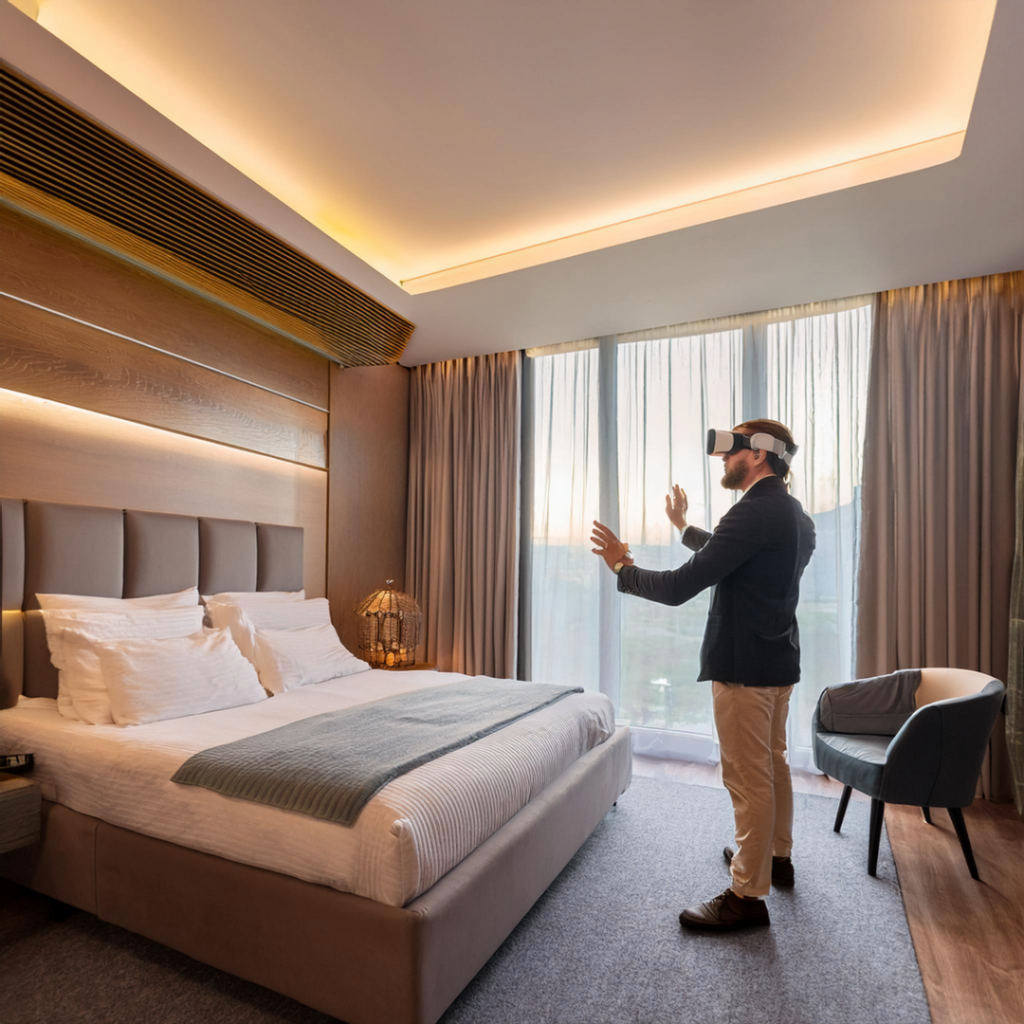
Virtual Reality has transformed how potential guests explore hotel properties before making a reservation. By incorporating high-quality VR content into their marketing strategy, hotels can offer virtual tours that immerse potential guests in the experience of staying at their location. Guests can interactively explore hotel rooms, suites, and amenities, allowing them to visualize their stay before booking. This not only increases engagement but can also significantly impact conversion rates—especially for properties with unique features or picturesque views. When guests can virtually experience the property, they’re more likely to move forward with a booking, thus increasing occupancy rates.
Contactless Technology: Elevating Safety and Convenience:
In light of recent global health concerns, contactless technology has become a priority in the hospitality industry. Features such as contactless room service, digital menus, and payment systems allow guests to enjoy a worry-free environment. Guests can place orders through apps or text messaging services, minimizing interaction with staff while still receiving high-quality service. Additionally, digital key systems enable guests to unlock their rooms with their smartphones, further reducing physical contact. This shift towards contactless technology not only enhances safety but also aligns with the growing expectations for convenience seen in today’s traveling populace.
Smart Room Technologies: Creating Personalized Experiences:
The integration of smart technologies within hotel rooms has revolutionized the way guests interact with their environment. In rooms equipped with IoT devices, guests can control lighting, heating, and entertainment systems using their devices or voice commands. For example, imagine arriving in your hotel room where the lights automatically dim to your preferred setting, the temperature adjusts to your ideal level, and the television welcomes you with your favorite channel or streaming service. Such personalized experiences make guests feel valued and understood, encouraging repeat visits and positive reviews.
Data Analytics for Personalized Marketing:
Advanced data analytics tools are becoming indispensable for hotels seeking to offer personalized guest experiences. By analyzing data collected from various customer touchpoints—like website interactions, booking patterns, and guest feedback—hotels can tailor their marketing efforts and communications. For instance, if a guest frequently participates in spa services during their stays, the hotel can send personalized offers for spa packages ahead of their next visit. This targeted marketing approach not only increases the likelihood of bookings but also reinforces the idea that the hotel is attentive to individual preferences, enhancing guest loyalty.
Feedback Collection through Digital Platforms:
Effectively gathering guest feedback has never been easier, thanks to digital platforms. Many hotels utilize mobile apps and online surveys to solicit feedback immediately after check-out. By asking specific questions about their stay, hotels can quickly identify areas for improvement. This real-time feedback loop allows properties to address any issues while the guest experience is still fresh, enabling immediate corrective actions and demonstrating a commitment to enhancing guest service. Additionally, harnessing positive feedback for testimonials can strengthen a hotel’s reputation and attract new guests.
Augmented Reality as an Immersive Travel Guide:
AR technology offers exciting possibilities for enhancing the guest experience beyond the hotel stay. Some hotels are integrating AR into their guest services, offering interactive experiences that enhance exploration. For example, guests can use their smartphones to access AR overlays that provide historical stories of landmarks, restaurant reviews, or even tips on hidden local gems. This technology not only elevates the convenience of exploring a new destination but also enriches the overall travel experience, making it memorable and engaging.
Robots for Efficient Service:
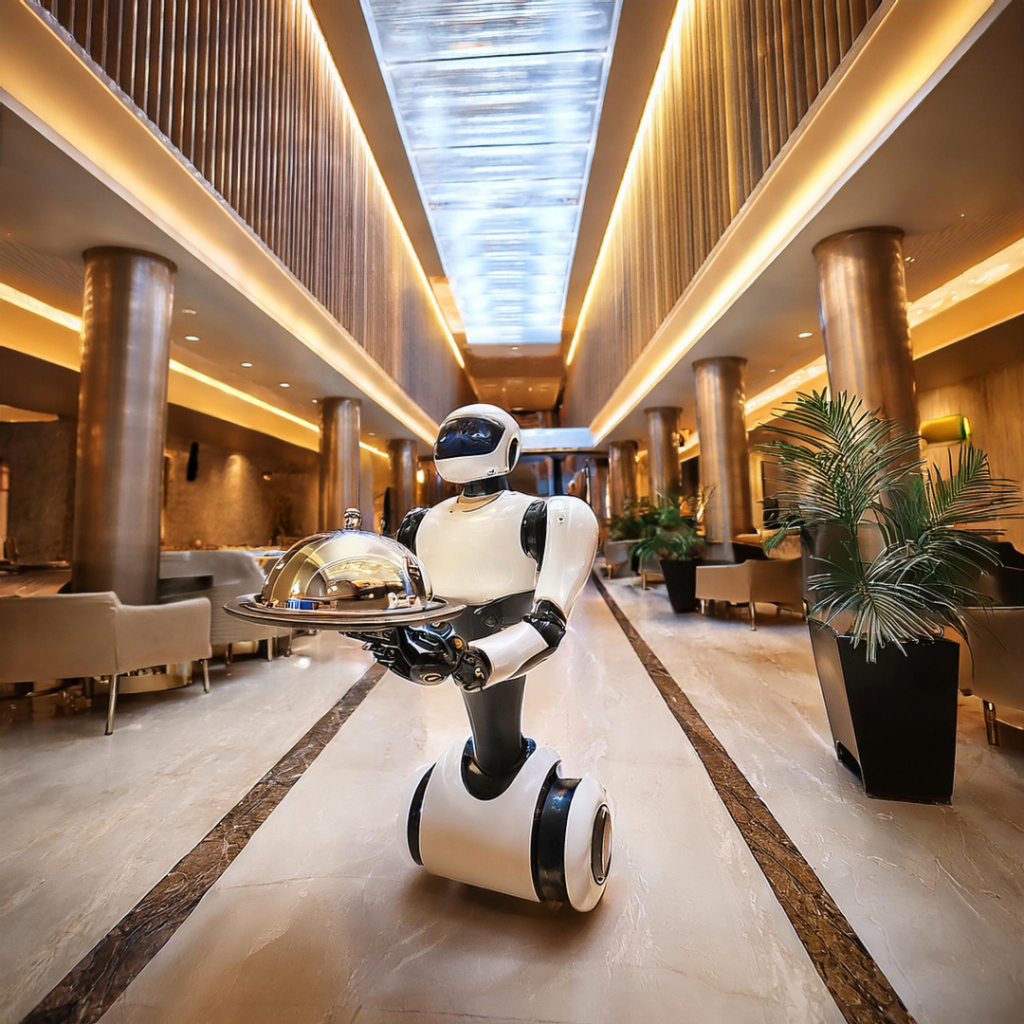
As hotel operations evolve, the use of robots continues to emerge as a practical solution for various tasks. From delivering room service to handling luggage, robots can manage routine operations, allowing human staff to focus on enhancing guest interactions. For example, a delivery robot might navigate the hotel, efficiently bringing snacks or toiletries to guest rooms. This not only saves time for staff but also introduces a modern element of fun and curiosity that resonates with tech-savvy guests. Furthermore, as robotic technology continues to improve, hotels can explore even more creative applications, further enriching the guest experience.
The Bottom Line: Embracing the Digital Era
The hospitality landscape of tomorrow will undergo radical changes, starkly contrasting with past models. Hotels that cling to outdated approaches risk being outpaced by competitors. Conversely, those viewing technology as an essential tool, leveraging it strategically to center the guest experience, will emerge victorious. The future of hospitality shines brightly for those willing to adapt and harness the boundless possibilities presented by the digital era.
Welcome to the Future: Where Smart Hotels Know You Better Than You Know Yourself in the Digital Era
Forget traditional keycards and cumbersome room controls. The next generation of smart hotels is set to redefine what a hotel stay means. Infused with AI, a focus on hyper-personalization, and an unwavering commitment to guest well-being, these hotels seamlessly blend futuristic technologies with the timeless core elements of hospitality.
Anticipating Your Every Need
The promise of smart hotels in the digital era goes beyond simply learning your name; it’s about foreseeing your every unvoiced desire. Consider the possibilities:
Your Room Knows What You Like:
By utilizing AI to analyze preferences, loyalty data, and online behavior, your hotel room can prepare for your arrival, adjusting the temperature, optimizing scents, and curating playlists before you enter—all without you lifting a finger.
Face Recognition as Your Key:
In this digital era, facial recognition technology (with secure opt-in options) could simplify processes dramatically. Imagine checking in with a single glance, with purchases seamlessly charged, while staff greet you with that personalized touch.
Smart Mirrors with Assistant Capabilities:
Envision a bathroom mirror evolving into a digital wellness dashboard. It could analyze your skin, provide tailored product recommendations, or even project custom makeup tutorials.
A Seamless Experience: Technology Becomes Invisible
The most advanced smart hotels will render technology almost invisible, creating experiences that are intuitive and frictionless.
Just Say the Word:
Voice assistants could transform into your ultimate room concierge. A simple command could dim the lights, order room service, or provide insider tips on local attractions. Multilingual AI removes language barriers for international travelers.
Goodbye Touchscreens:
Gesture controls could replace traditional interfaces, enabling you to change the art displayed in your room or access information with fluid movements. Holographic displays could offer a visual feast without cluttering the space.
Wellness as the Centerstone of Luxury
In the digital era, smart hotels recognize the growing importance of wellness among travelers. Expect spaces designed to maximize rest, rejuvenation, and self-care:
Creating a Sleep Sanctuary:
Your bed could serve as a wellness haven, with smart mattresses tracking your sleep patterns. Personalized recommendations could guide adjustments through gentle lighting and sound cues while opting for neurofeedback sessions for relaxation.
Air Quality You Can Trust:
Advanced purification systems responsive to air quality ensure your room is an oasis for travelers with allergies. Infused aromatherapy systems could adapt scents according to time of day.
Wellness Beyond the Spa:
In-room fitness options may include projected personal trainers who offer real-time feedback on form, allowing guests to stay active comfortably.
Sustainability: An Ethos, Not a Trend
The future of smart hotels will integrate sustainability into their core practices, empowering guests in the process:
Your Energy Footprint, Simplified:
Innovative hotels will replace generic signs with real-time dashboards, depicting energy and water usage. They could gamify conservation efforts, rewarding guests with loyalty points.
Food with a Story:
AR menus could showcase the origins of your meal ingredients, presenting engaging narratives about local farms and sustainable practices.
The Emerging ‘Wow’ Factor
Let’s explore additional exciting concepts on the horizon of hospitality in the digital era:
AR as a Time Machine:
AR technology could overlay historical reenactments in hotel lobbies or field location-based games for children exploring the grounds.
Your Personalized Wellness Tracker:
Hotels may issue fitness trackers that monitor activity and sleep patterns. Analyzing this data could inform a tailored agenda, reminding you to hydrate or facilitating meditative sessions.
Robots as Complementary Team Members:
As robotic technology continues to advance, robots will play essential roles, assisting with luggage or providing consistent cleaning services using the safest agents.
Important Note: Prioritizing Privacy and Inclusivity
Successful smart hotels will lead with transparency regarding data use while prioritizing guest privacy. Accessibility must also be a focus, ensuring that intuitive interfaces cater to all guests.
Ultimately, the future of hospitality rests at the intersection of pioneering technology and the enduring human need for comfort, connection, and wellness. When done right, smart hotels equipped with these advancements will foster an experience that nurtures genuine care, transcending mere admiration for gadgets. Welcome to a vibrant future, enriched by the digital era!